Project · Hardware
Myoelectric Prosthetic Arm
EMG-controlled prosthetic with 7-stage analog circuit design
Summary
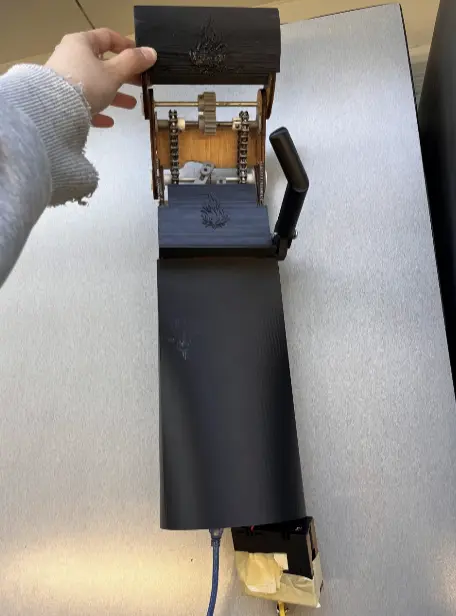
A complete myoelectric prosthetic hand designed for high-load operational tasks. Converts microvolt-level surface EMG signals into mechanical grip control through a 7-stage analog signal conditioning pipeline, non-blocking C++ firmware, and a bistable dog clutch locking mechanism.
Design and Implementation
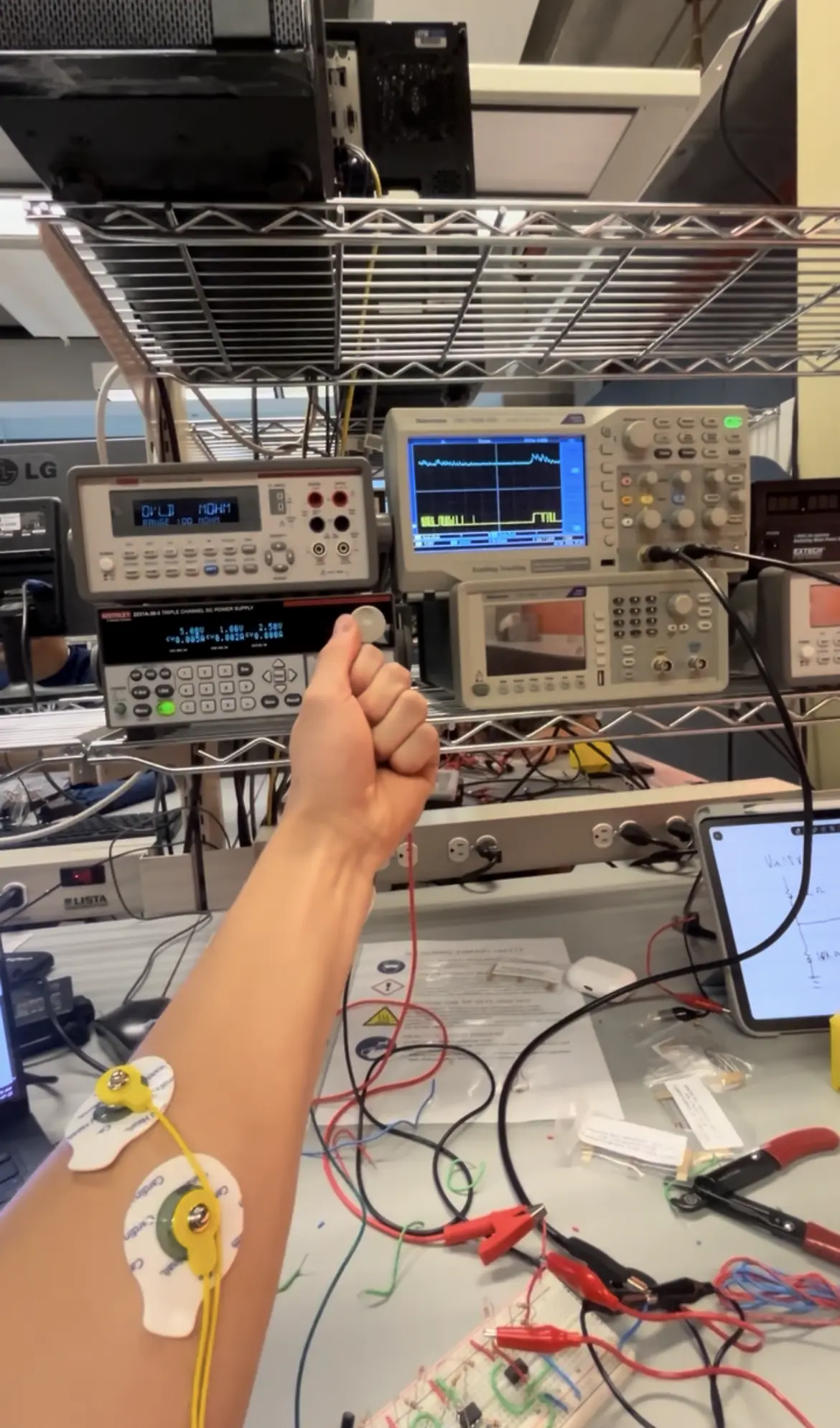
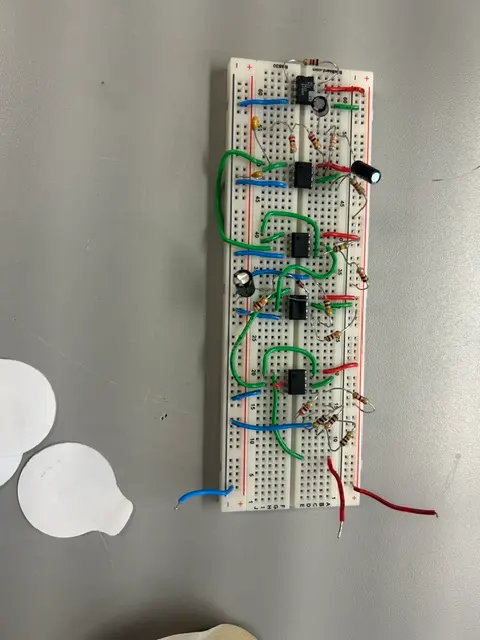
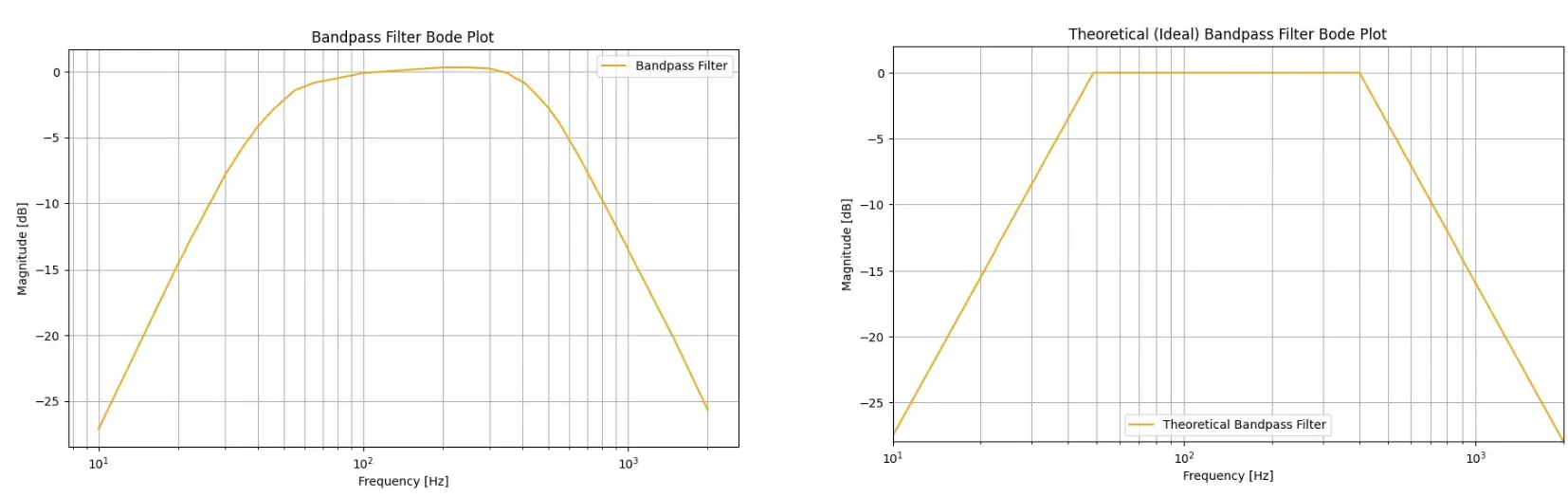
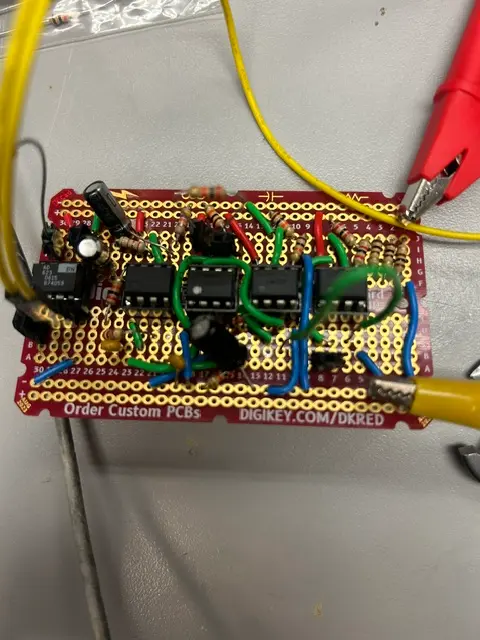
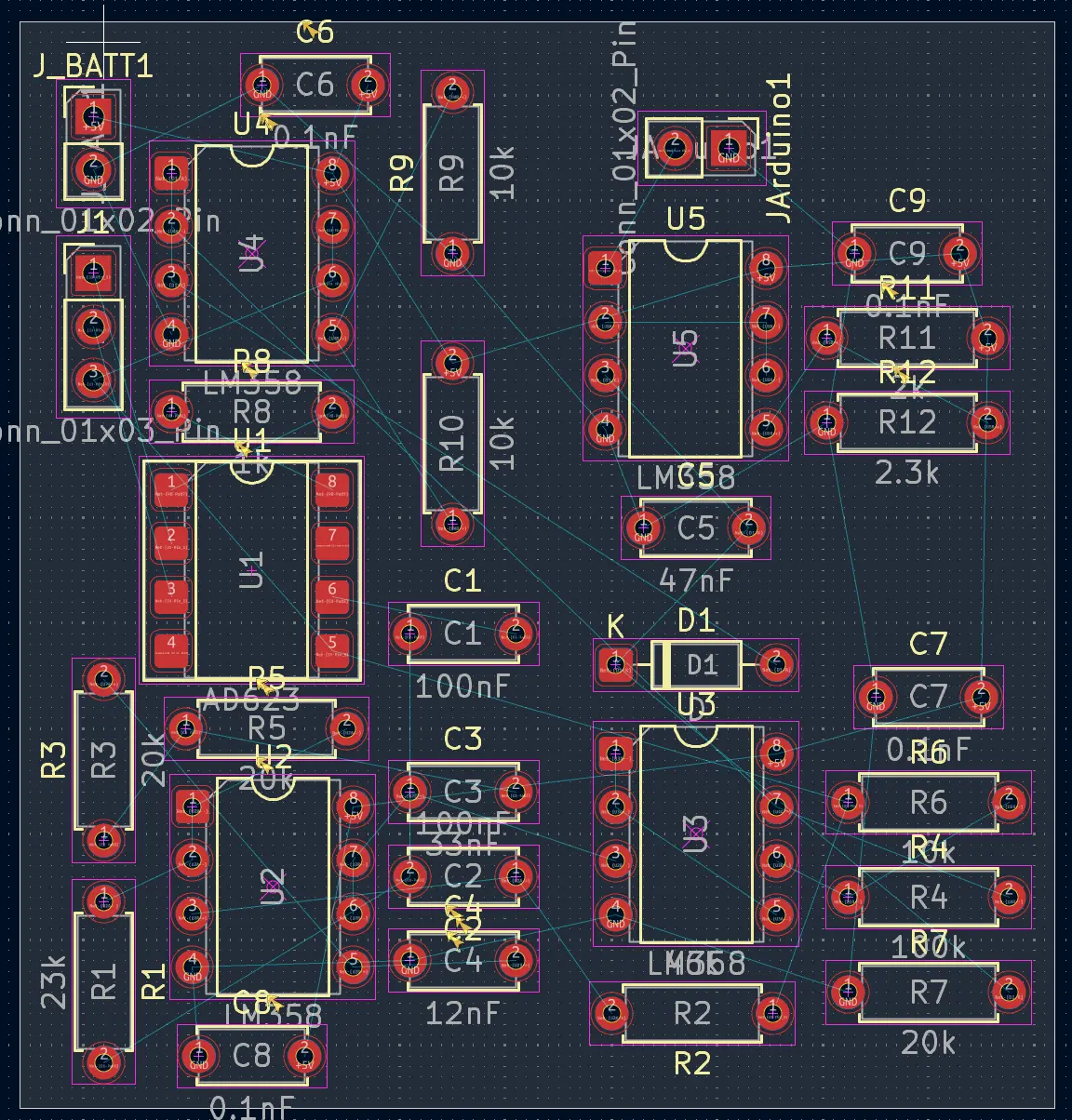
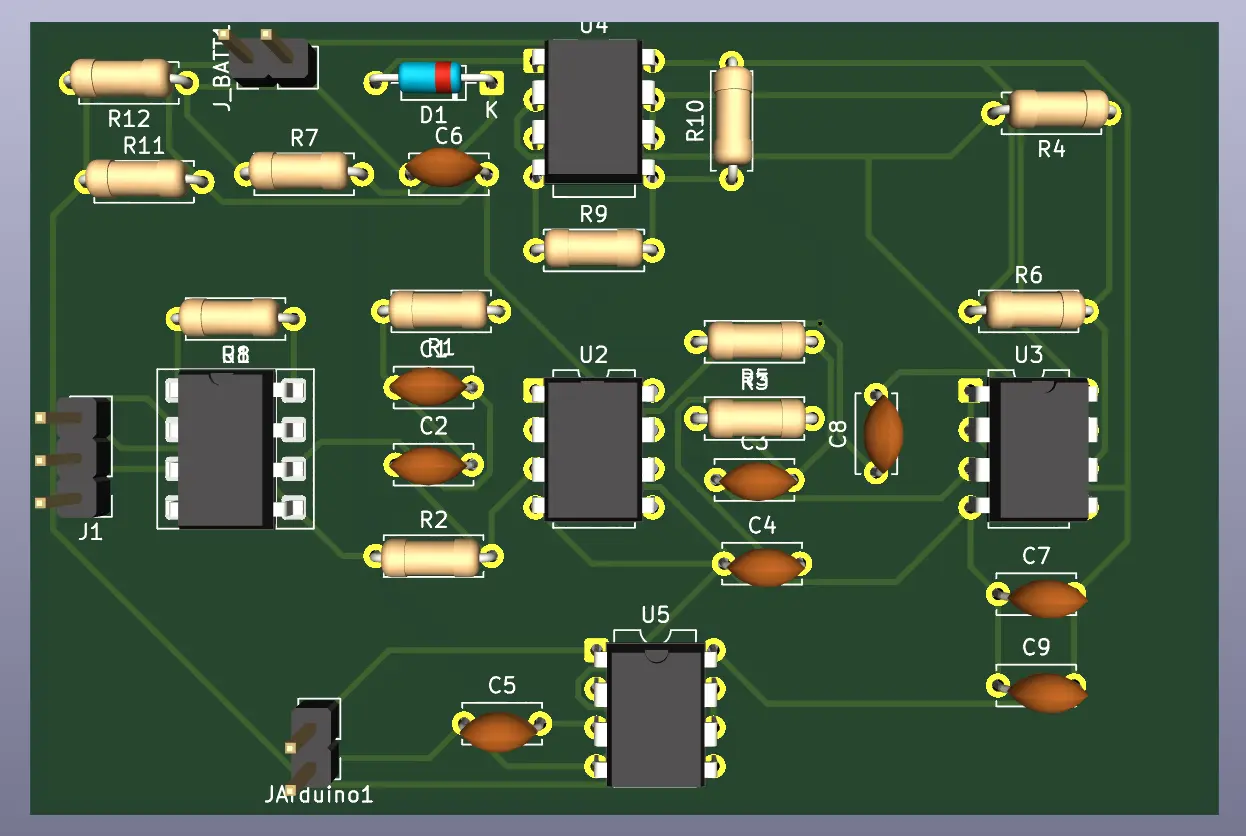
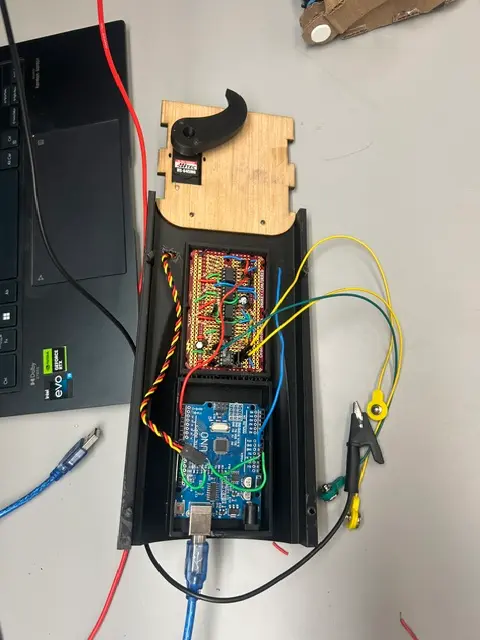
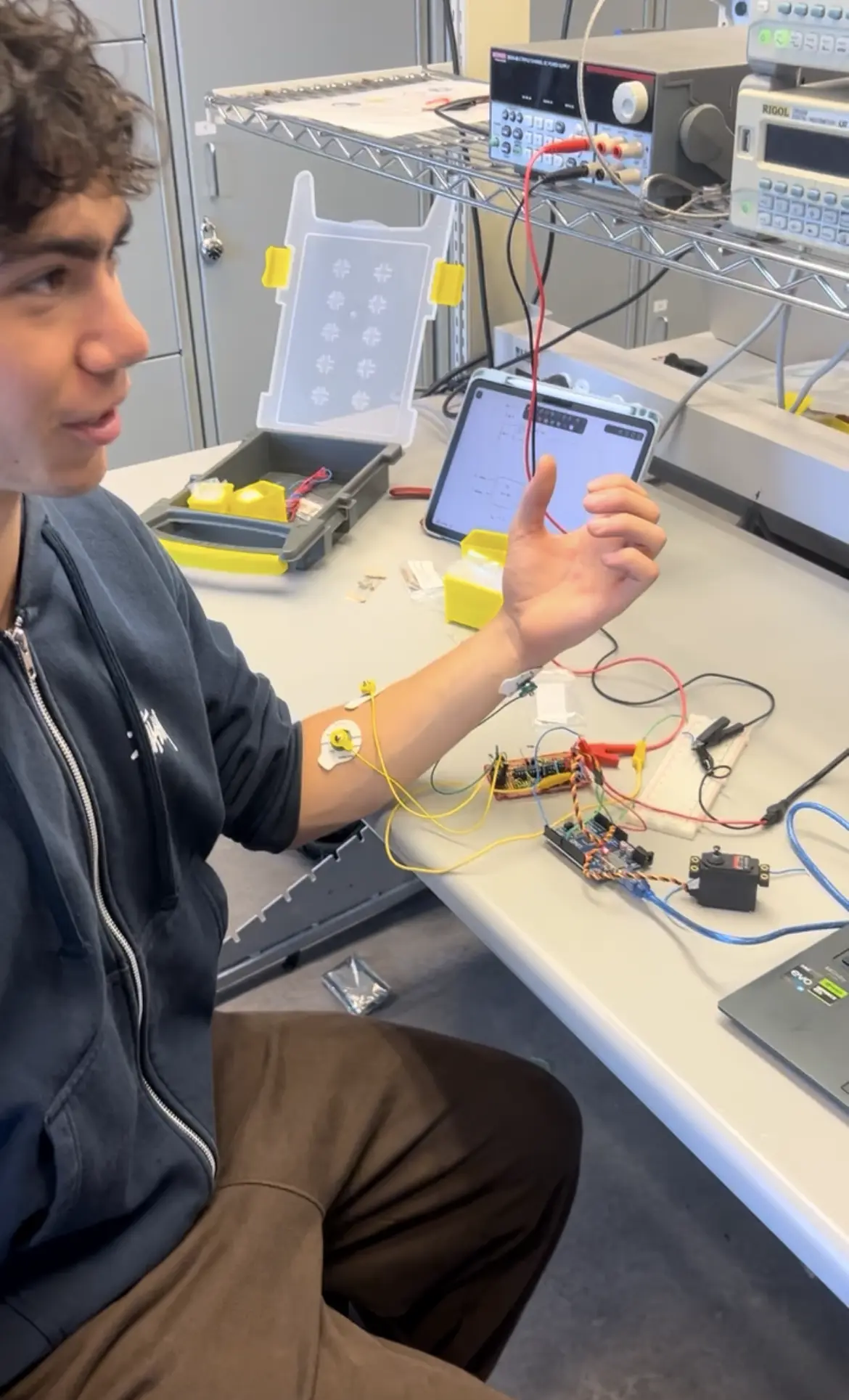
Surface EMG signals ranging from 10μV to 5mV are captured via skin electrodes and processed through a cascaded 7-stage single-supply analog architecture. The pipeline passes through an AD623 instrumentation amplifier (gain ~101), active Sallen-Key bandpass filter (48–400 Hz), isolation buffer, non-inverting amplifier (gain 11), peak envelope detector, and Schmitt trigger comparator, achieving total system gain of ~1,111x. The firmware runs a non-blocking time-domain state machine on an Arduino, requiring 500ms of sustained muscle activation before triggering to reject false positives from twitches and noise. A position servo controls a dog clutch that mechanically locks the finger transmission shafts, maintaining grip without continuous motor torque.
Technical Details
- AD623 INA (gain ~101) + Sallen-Key bandpass (48-400 Hz) + peak envelope detector + Schmitt trigger — total gain ~1,111x
- Virtual ground buffer at Vcc/2 enables single-supply operation from lab or battery without recalibration
- 500ms activity window + 400ms quiet timeout state machine — false-trigger immune, non-blocking C++
- Dog clutch servo-controlled between 135° (open) and 150° (closed) — zero stall current during grip hold
- Dual 4xAA packs in parallel (~6V) for portable operation
Additional Figures